

Print Isn't Dead - Dispatch 32
spend a weekend with your best friends to face your fear of failure

Welcome to Dispatches—a blog series from a narrative-fixated writer in Columbus, Ohio. Since you’re kind enough to read my dispatches, I’d love to read yours in return. Feel free to share a dispatch at dispatchprojectwrite@gmail.com to be included in a future post.
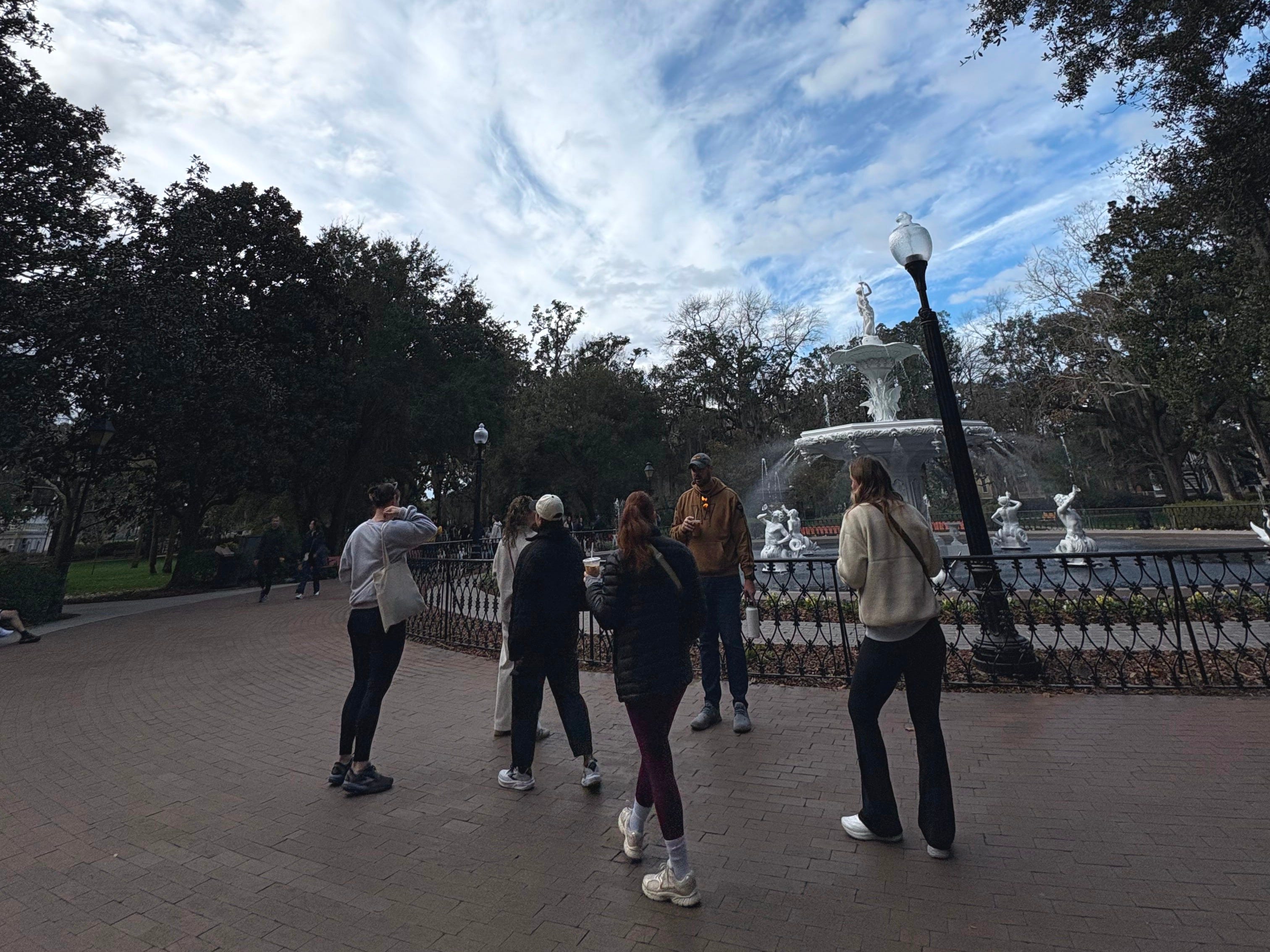
I’ve been having recurring dreams where I forget how to dance. There’s a persistent scene: I’m standing behind an older woman on a bright stage. Her face is splayed by light, facing the audience of my unconscious. I mimic her lunges and leaps in a clumsy duet.
I sweat trying to remember which step comes next. Sometimes I can, but more often I don’t. Either way, the woman ends our routine with her back to the audience so only I see her glare, like the marble disappointment of Medusa.
A few days ago, I ran offstage before she turned around and woke up in the middle airplane seat, knocking elbows with my husband and a stranger. I searched the back of the tray table for meaning. There was dancing with a stranger (unknown aspect of self); forgetting the steps (fear of failing publicly); running away (self-explanatory). Why am I afraid of a feeling I can’t name?
The plane shook and my shoulders bumped between realities. It was finally apparent that we were flying toward Savannah and I’d slept through take-off.
****************************************************************************************************
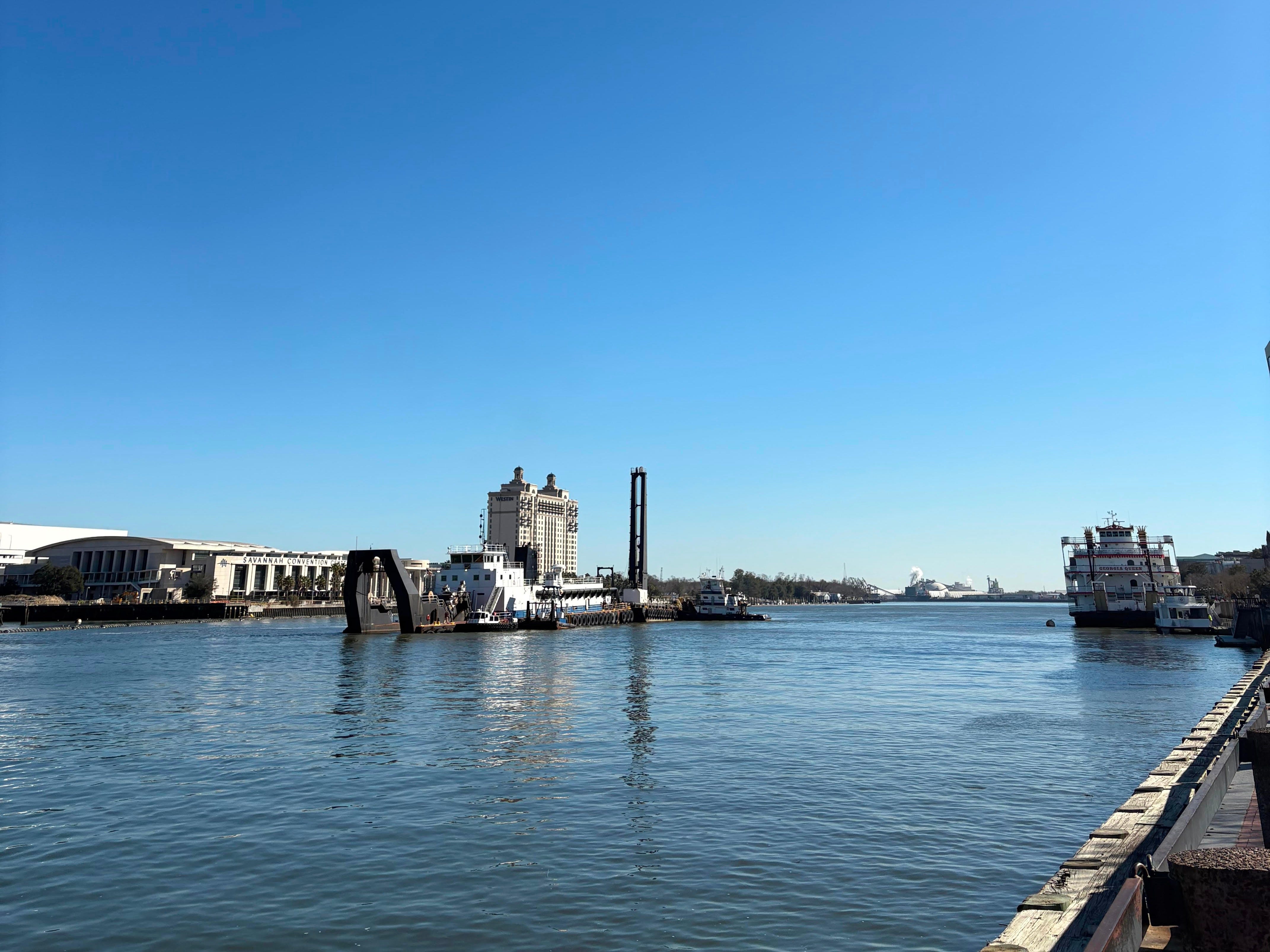
“So, when do we get to hear your pitch?” Kegan asked, settling onto a bench facing the river dividing Georgia and South Carolina.
I forgot I’d mentioned it over a double date weeks ago. I glanced around for someone to deflect to—his wife, maybe, or one of our nine other friends circling the waterfront—but no one was within earshot.
“Maybe later this weekend,” I rushed.
I ducked into the market, following the sound of Rebekah’s laugh. I ran my fingers over pinch pots and Moroccan lamps until I no longer heard my heartbeat. It’s silly to share ideas before they’re whole—, and then the thought cut itself short. Really, I forced myself from it. I saw that it was scaring me to even consider speaking the idea into existence.
The winter sun hung low, and I found the group either taking photos of its reflection in the river or basking in it, eyes closed. I stole a sip of the lager in my husband’s plastic cup and smiled at our college friend group. All these years later—still playing hooky together. Tom announced that he wanted something spiked from Wet Willie’s, and we ventured on.
****************************************************************************************************
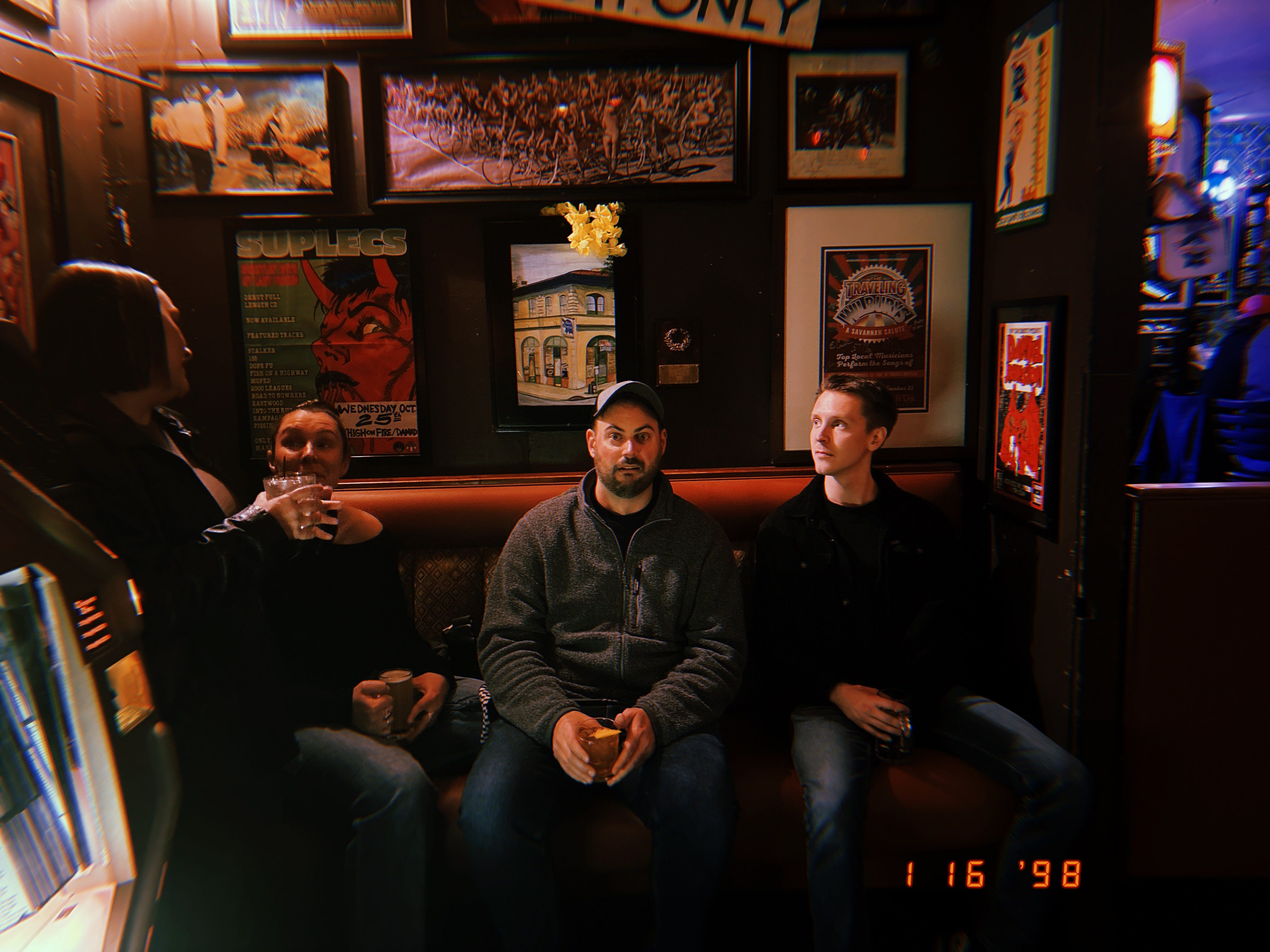
The jukebox at Pinkie Master’s had a mind of its own. The six of us nursing negronis in a booth froze between songs, waiting to see whether it would crank Etta James or cut AC/DC to a whisper. When “Get on the Good Foot” started, the song swallowed our synchronized whoop—we rolled our shoulders and hips anyway.
Without missing a beat, we returned to each other’s lives. How did becoming a mom change your experience of womanhood? How central is work to your identity? I listened to Libby’s childbirth synopsis and Jordan’s five-year career plan, but I heard echoes of their 20-year-old selves, the ones who dreamed of the future sitting across from me.
The jukebox revved something funky, and we paused to admire a group of older women as they two-stepped into the bar. They circled around a silver-haired woman, who was pumping her fists in an offbeat rapture. Barbs complimented her denim overalls; I pointed out her thick-soled stompers. The silver-haired woman’s friends raised plastic cups in her honor, so we let out simultaneous cheers, and she gave us a twirl.
Seconds later, she was leaning against our booth and sipping on a fluorescent margarita. It was her 65th birthday, she yelled over the music, could we believe it?
No, no, no, we laughed. Rebekah complimented her sparkling hair, and she whipped off her denim hat to flaunt the tinsel layered among her silver strands. (“My grandkids love it,” she cackled.)
In my mind, when she put her hat back on, the jukebox stopped. There, emblazoned in rhinestones, was the message, “THE HELL I WON’T.” An omen; a challenge.
She rested her hand on my shoulder. Light, like she was choosing me for a dance. I looked around the bar and realized how easy it would be to commit—right here, with these people— to a life of joyful risks.
****************************************************************************************************
“I have to tell you something,” I told Rebekah, without breaking eye contact with the cobblestones.
She turned wildly. Our half of the group had spent the morning wandering through Forsyth Park’s Saturday morning market, stopping to admire the artists, makers, and growers exhibiting their work. Each vendor wore the same expression of soft insistence—I care deeply about this, and I think you should, too.
For the first time, I let the same vulnerability flush over my face.
My explanation to Rebekah came out wrong: I mentioned it months ago but then pushed the idea away; I couldn’t stop thinking about it; I felt this tremendous drive to create a community around print media; I stayed up nights sketching a business plan and marketing strategy—she stopped walking.
“The magazine stand!” she yelled.
The stage lights were blinding, but I nodded. Yes, a pop-up magazine stand. One I could stock with niche and national magazines and park around Columbus to make the joy of print media more visible and accessible.
Libby and Audrey overheard from two steps behind and chimed in—younger generations want analog media! Airport stores and big-box chains charge too much! Jordan ran over to add: That would be full circle for you!
Their excitement made mine pound in my ears, and we walked the rest of the way home to the overtone of act, act, act.
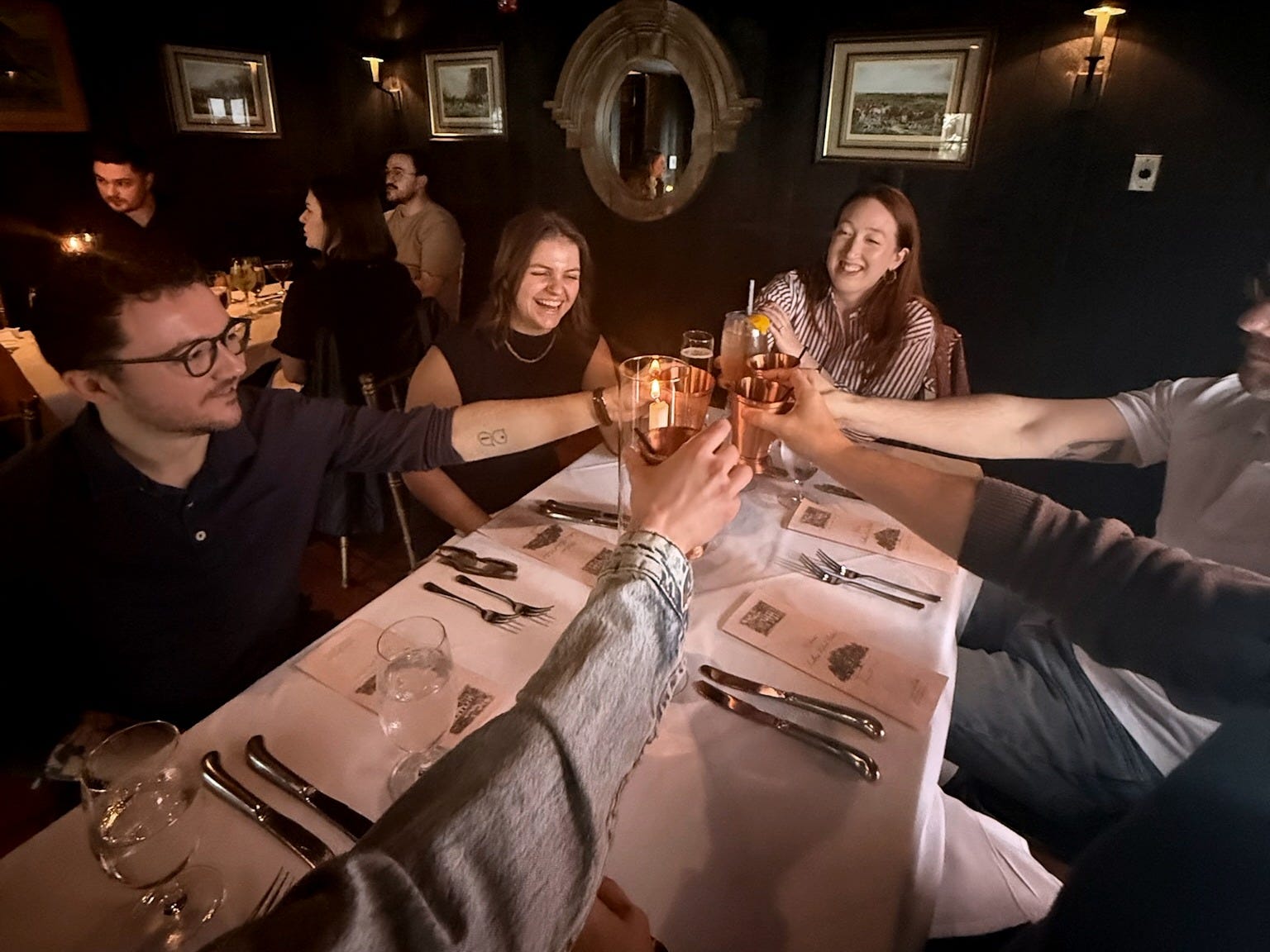
An hour later, we met the rest of the group for lunch at The Olde Pink House, climbing its historic stairs to a private room. As soon as we ordered drinks, Rebekah made an announcement.
“KP has a pitch for us!”
I scrambled to pull up my notes while oohs and ahhs echoed off the rafters. Kegan pulled up a chair and Seth scrolled through my pitch deck and Audrey shouted encouragement across the table.
I stammered but stayed on stage. My voice found a soft insistence as I answered their questions about inventory and profit margins, then steadied over my purpose: I’ve collected magazines since I was a teenager, and I believe in print media’s power to connect readers—casual, dedicated, and everything in between— to new people and ideas.
Matt asked what I would call the magazine stand, and I felt the full weight of the audience.
“Print Isn’t Dead,” I said.
Still thinking about it? Read this next:
Why Is the Print Revival Happening Now? This 2025 MediaVoices report digs into the who, how, why of the recent magazine resurgence. Spoiler alert: Digital fatigue and an increased interest in tangible, collectible media are two of the top factors.
GenZine: DIY Publications Find New Life as a Form of Resistance Against Trump: This fantastic Guardian article outlines how younger generations are defining the next era of zine culture by creating DIY magazines that spread information on everything from resistance tactics to local elections.
Do it!!!!
Print isn’t dead!!!